
Staying hydrated in a heatwave when you have bladder problems
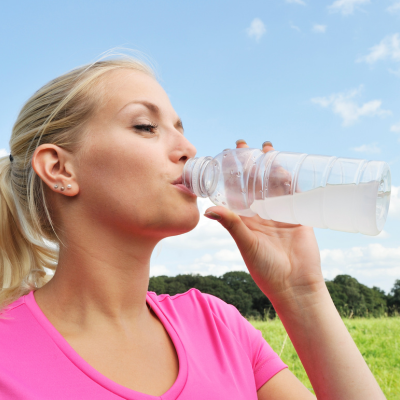
For anyone managing bladder leaks, urgency or frequency, a heatwave means trying to minimise drinking, and mapping out toilets wherever you go.
Drinking less to reduce the number of trips to the loo tends to make things significantly worse rather than better.
Here’s what’s actually going on, and what helps.
Why hot weather makes bladder symptoms worse
When it’s hot, your body loses more fluid through sweat. If you don’t replace that fluid, your urine becomes more concentrated, and concentrated urine is more irritating to the bladder.
An irritated bladder is a more reactive bladder. It sends signals to urinate more urgently and more frequently, even when it isn’t full. So the instinct to drink less to reduce urgency is understandable, but it tends to backfire:
Drinking less
↓
Urine becomes more concentrated
↓
Bladder is irritated
↓
Urgency and frequency worsens
Staying well hydrated is one of the most effective things you can do for bladder symptoms in hot weather.
What to drink and what to avoid
Not all fluids are equal when it comes to bladder health:
Water is your best friend: still water is the least irritating fluid for the bladder and the most effective for diluting urine. Aim for pale straw-coloured urine as a guide – darker means you need more fluid, very pale or clear means you’re well hydrated.
Caffeine is a bladder irritant: coffee, tea, coca cola and energy drinks all contain caffeine, which has a mild diuretic effect and can increase urgency and frequency. In hot weather, when your bladder is already under more pressure, reducing caffeine can make a noticeable difference.
Fizzy drinks can worsen urgency: the carbonation in sparkling water and fizzy drinks can irritate the bladder in some people, particularly those with overactive bladder symptoms. If urgency is your main issue, still water is a safer choice.
Alcohol is dehydrating and irritating: a cold glass of wine or beer is tempting in a heatwave, but alcohol dehydrates you, concentrates your urine and irritates the bladder lining. If you do have alcohol, match every alcoholic drink with a glass of water.
Citrus-based drinks: can be irritating for some people with sensitive bladders. Noticed a connection between fruit juices or smoothies and worsened symptoms?
Seasonal foods, histamine and bladder sensitivity
Summer eating habits can inadvertently increase histamine intake, which can contribute to bladder irritation and urgency. Foods that tend to be higher in histamine include:
Fruits and vegetables: strawberries, citrus fruits, banana, pineapple, tomatoes, spinach, avocado, and aubergine.
Processed and cured meats: including many BBQ and picnic staples like sausages, bacon, charcuterie, and smoked fish.
Fermented foods: sourdough, cheese, yoghurt, kefir, sourdough, vinegar-based dressings and pickles.
If you notice a pattern between certain foods and a flare in bladder symptoms, histamine may be worth investigating. Keeping a simple food and symptom diary for a week or two can help identify whether there’s a connection. Our in-house Nutrient Therapist, Ariana, is also at hand to discuss food allergies and intolerance testing.
How to spread your fluid intake
Rather than drinking large amounts at once, which fills the bladder quickly and can trigger urgency, try spreading your fluid intake steadily throughout the day. Frequent small sips are gentler on the bladder than taking in large amounts less often.
If urgency or waking at night to use the toilet is a problem, instead of tapering your fluid intake in the two to three hours before bed as commonly advised, book your consultation to discuss viable treatment options that won’t leave you dehydrated.
A note on stress incontinence in the heat
For people with stress incontinence – leaking when you cough, sneeze, laugh or exercise – hot weather can bring extra challenges. Hay fever season means more sneezing, and the heat itself can make the whole experience of managing symptoms feel more exhausting and less manageable.
If you’re finding that your symptoms are harder to control in the heat, again summer is a time to take action and book your first consultation to address your stress incontinence once and for all.
Addressing the underlying problem
BetterPelvi works at a neuromuscular level to strengthen all three layers of the pelvic floor simultaneously, including the deep layer that exercises can’t reach. For patients with urgency, frequency and stress incontinence, consistent improvement in these symptoms is one of the most commonly reported outcomes of a programme.
If you are new to BetterPelvi, and have been managing bladder symptoms through a combination of fluid restriction, pads, and organising your life around the nearest toilet, why not come and find out how we can help. A 60-minute consultation here at Signature Health, Blakemere Village is the place to start.
If the heatwave has reminded you that your bladder symptoms are affecting your quality of life more than you’d like to admit, we’re here, and there is a non-invasive treatment that can help.